Investment Insights
Ubud Wellness Tourism and Off-Season Occupancy: A Deep Dive for International Investors
By Ilia Siniak, Founder, Bali Family Development
26 September 2026 · 8 min read
This article explores the nuances of wellness tourism in Ubud, particularly focusing on how off-season occupancy is influenced, the transformative role of integrated wellness facilities, and essential questions for Australian owners to ask their rental managers regarding seasonality.
Understanding Ubud's Unique Seasonal Rhythms
Ubud, nestled in the heart of Bali, presents a distinct tourism pattern compared to the island's coastal areas. While beach destinations often see pronounced high and low seasons driven by weather and traditional holiday periods, Ubud's appeal as a cultural and wellness hub creates a more nuanced occupancy profile. The 'off-season' in Ubud, typically during the wet months from November to March, doesn't necessarily translate to empty villas. Instead, it often attracts a different demographic: those seeking introspective retreats, extended stays for personal growth, or individuals drawn to the lush, vibrant landscape that the rain brings.
Anecdotal evidence from local operators suggests that while peak tourist numbers might dip, the average length of stay can actually increase during these periods. This is particularly true for guests focused on wellness, spiritual journeys, or artistic pursuits, who are less deterred by occasional rain showers and more appreciative of the tranquility and lower crowds. The challenge for investors lies not in avoiding the off-season, but in understanding who these guests are and how to cater to their specific needs to maintain consistent occupancy.
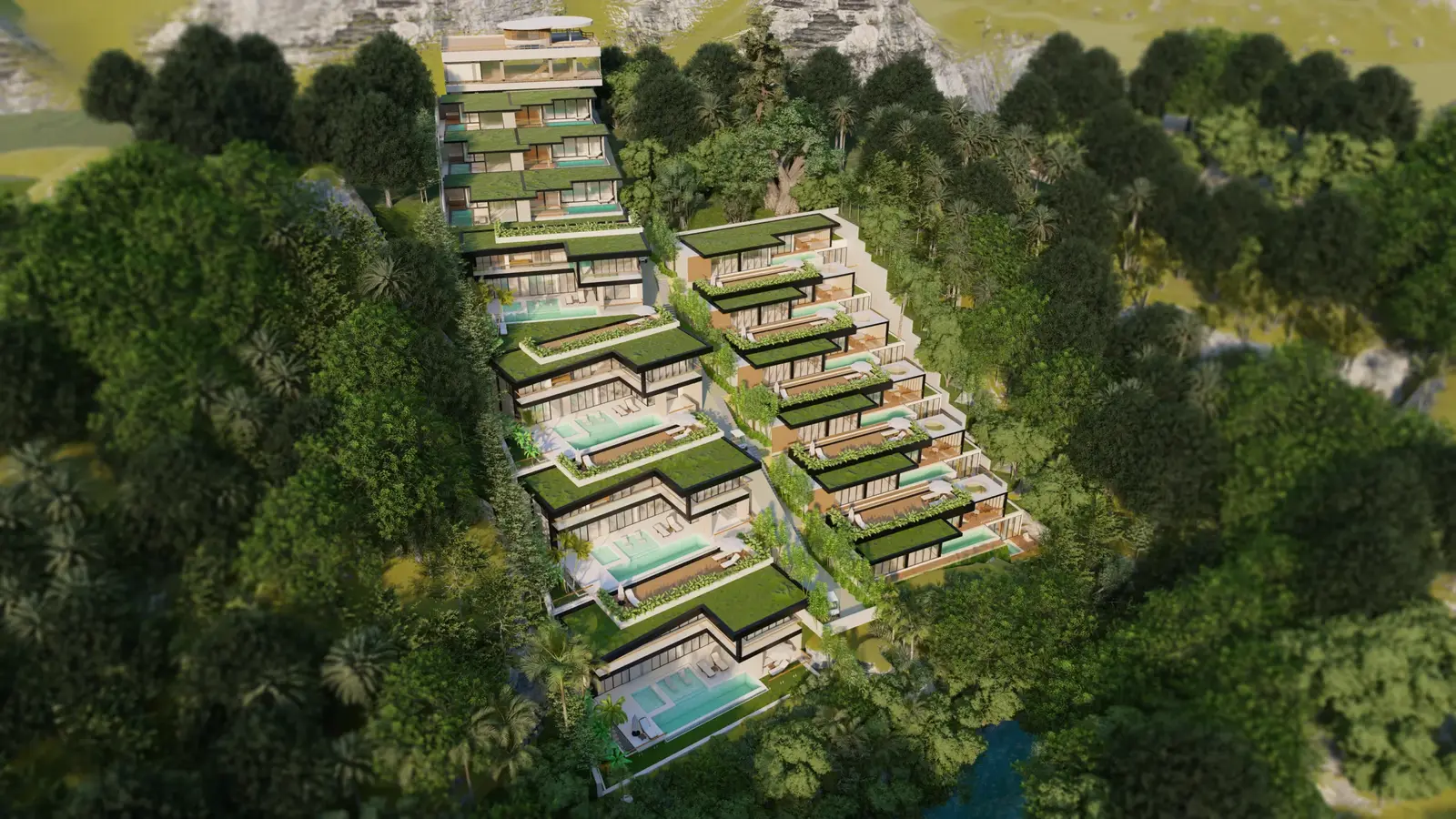
Puri Sidem – Private Villas Collection, with its strategic location in Ubud, is positioned to capture this evolving market. The blend of luxury accommodation with proximity to Ubud's cultural heart ensures an enduring appeal, mitigating the sharper fluctuations seen in more transient tourist destinations. The key is to recognize that 'off-season' in Ubud is less about a complete cessation of tourism and more about a shift in guest profile and motivation.
The Transformative Power of an Integrated Wellness Club
For a managed residence such as Puri Sidem, the inclusion of a comprehensive wellness club – encompassing a spa, Ayurveda treatments, a bespoke restaurant, and concierge services – is not merely an amenity; it is a fundamental shift in value proposition. This integrated approach elevates the property from a simple accommodation provider to a destination in itself. Guests seeking wellness experiences are often willing to travel specifically for such facilities, making the property less reliant on general tourism flows and more on its unique offerings.
A dedicated wellness club extends the guest's stay and enhances their overall experience, fostering loyalty and positive reviews. For instance, an Ayurveda program might span several days or even weeks, anchoring guests to the property irrespective of external weather conditions. The on-site restaurant, designed to complement wellness principles, provides convenient, healthy dining options, reducing the need for guests to venture out frequently. This self-contained ecosystem significantly boosts perceived value and, crucially, encourages longer bookings.
From an operational standpoint, a wellness club creates multiple revenue streams beyond nightly villa rates. Spa treatments, wellness workshops, and specialized dining experiences contribute to the overall profitability of the managed residence. More importantly, it acts as a powerful differentiator in a competitive market, attracting a higher-value guest segment that prioritizes holistic well-being and is less price-sensitive, thereby strengthening occupancy rates throughout the year.

Month-by-Month Occupancy: Who Stays in the Ubud Hills?
While general tourism statistics for Bali often paint a broad picture, a granular look at Ubud reveals specific patterns. During the traditional high season (June-September, December-January), Ubud attracts a diverse mix of international tourists – families, couples, and solo travelers – drawn to cultural festivals, yoga retreats, and the vibrant arts scene. However, the 'off-season' (February-May, October-November) sees a notable shift.
During these quieter months, the Ubud hills become a sanctuary for long-term digital nomads, individuals on personal retreats, and those seeking specialized wellness programs. For example, March and April, often considered shoulder season, can be ideal for detox programs or silent retreats, as the landscape is lush and the atmosphere serene. October and November, preceding the peak holiday rush, often see a surge in yoga teacher trainings and spiritual workshops. These guests are typically less concerned with beach activities and more focused on the immersive cultural and wellness experiences unique to Ubud.
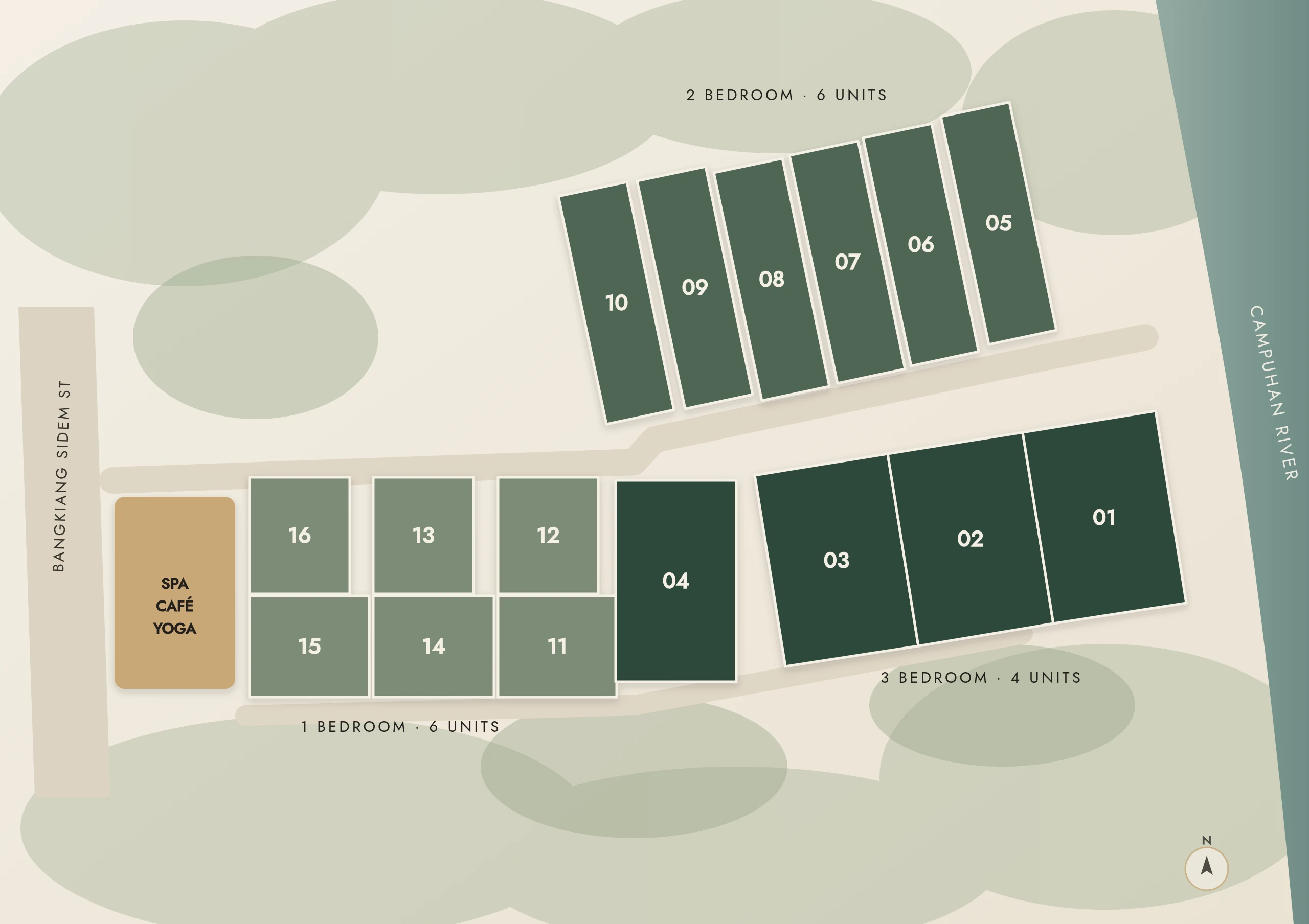
Understanding these specific demographic shifts is crucial for a rental manager. Tailoring marketing efforts to these niche groups – promoting extended stays, wellness packages, or quiet retreats – during specific months can effectively stabilize occupancy. The 16 villas of Puri Sidem, offering 1BR, 2BR, and 3BR typologies with private pools, are designed to cater to this diverse range of guests, from solo wellness seekers to small groups on retreat.
Essential Questions for Your Rental Manager Regarding Seasonality
As an Australian owner investing in Puri Sidem, engaging with your rental manager on seasonality requires a strategic approach. Beyond generic occupancy rates, you need to understand their specific strategies for different times of the year. Firstly, inquire about their targeted marketing campaigns for the 'off-season.' Ask what specific demographics they aim to attract during these months and what channels they use to reach them. A sophisticated manager will have distinct campaigns for, say, a European winter escape market versus a Southeast Asian yoga retreat market.
Secondly, delve into their pricing strategy during shoulder and low seasons. While this article avoids specific figures, understanding the *methodology* is key. Do they offer value-added packages (e.g., wellness inclusions, extended stay discounts) instead of just reducing nightly rates? How do they leverage the on-site wellness club to attract guests during quieter periods? This demonstrates a proactive approach to maintaining revenue without resorting to aggressive discounting that could devalue the property.
Finally, ascertain their communication protocols regarding occupancy forecasts and actual performance during different seasons. A transparent manager will provide detailed monthly reports, explaining variances and outlining adjustments to their strategy. Understanding their proactive measures – such as forging partnerships with wellness facilitators or corporate retreat organizers – will give you confidence in their ability to navigate Ubud's unique seasonal dynamics effectively. This level of detail moves beyond simple occupancy percentages to a deeper understanding of operational strategy.
The Long-Term Perspective: Leasehold Security and Strategic Handover
Investing in a leasehold property in Bali requires a clear understanding of its long-term viability. Puri Sidem offers a secure 27-year leasehold, critically backed by a guaranteed 25-year extension at 15% of the original purchase price. This provides a substantial 52-year total tenure, offering significant peace of mind for international investors. This extended leasehold term mitigates the typical concerns associated with shorter lease agreements, allowing for a robust long-term investment horizon and ensuring ample time to realize the property's full potential.
The handover of the 16 villas is scheduled for July–September 2027. Once handed over, the villas go straight into the managed rental programme, ready for Ubud's next high season. The developer, BFD (Bali Family Development), has a track record of delivering projects that meet international standards, ensuring that the villas are ready to welcome discerning guests from day one. This phased approach to project delivery minimizes operational uncertainties and maximizes the initial return on investment.
For an Australian owner, this combination of a secure, long-term lease and a well-planned handover ensures that the investment is not only protected but also positioned for sustained success in Ubud's dynamic wellness tourism market. It allows for a comprehensive financial model that factors in decades of potential income, making it a compelling proposition for those seeking stability and growth in their international property portfolio.
Questions about your own situation?
Tell us what you are weighing up and we will come back with the detail you need: legal structure, timelines and which units are still available.
More guides

Investment Guide
The 27 + 25 Year Leasehold in Bali, Explained: What a Foreign Buyer Actually Holds
Foreigners cannot hold freehold land in Indonesia, so almost every Bali villa sold abroad is leasehold. Here is what that means, why 'guaranteed' is the word to look for, and five things to check before you sign.
Investment Guide
Puri Sidem, Answered: Ownership, Lease Term, Handover and the Wellness Club
The questions international buyers ask us most, answered in plain terms: what Puri Sidem is, how a foreigner holds a residence in Bali, the 52-year lease, handover timing, management and the Wellness Club.

Investment Guide
Wellness Residences in Bali: What They Are, Why Ubud, and What to Check Before You Buy
A wellness residence is a private home inside an estate built around a spa, treatments and services you would normally only find in a retreat. Here is what that should mean in practice, why Ubud, and how to tell a real club from a brochure.