Investment Guide
Wellness Residences in Bali: What They Are, Why Ubud, and What to Check Before You Buy
By Ilia Siniak, Founder, Bali Family Development
10 October 2026 · 7 min read
A wellness residence is a private home inside an estate built around a spa, treatments and services you would normally only find in a retreat. Here is what that should mean in practice, why Ubud, and how to tell a real club from a brochure.
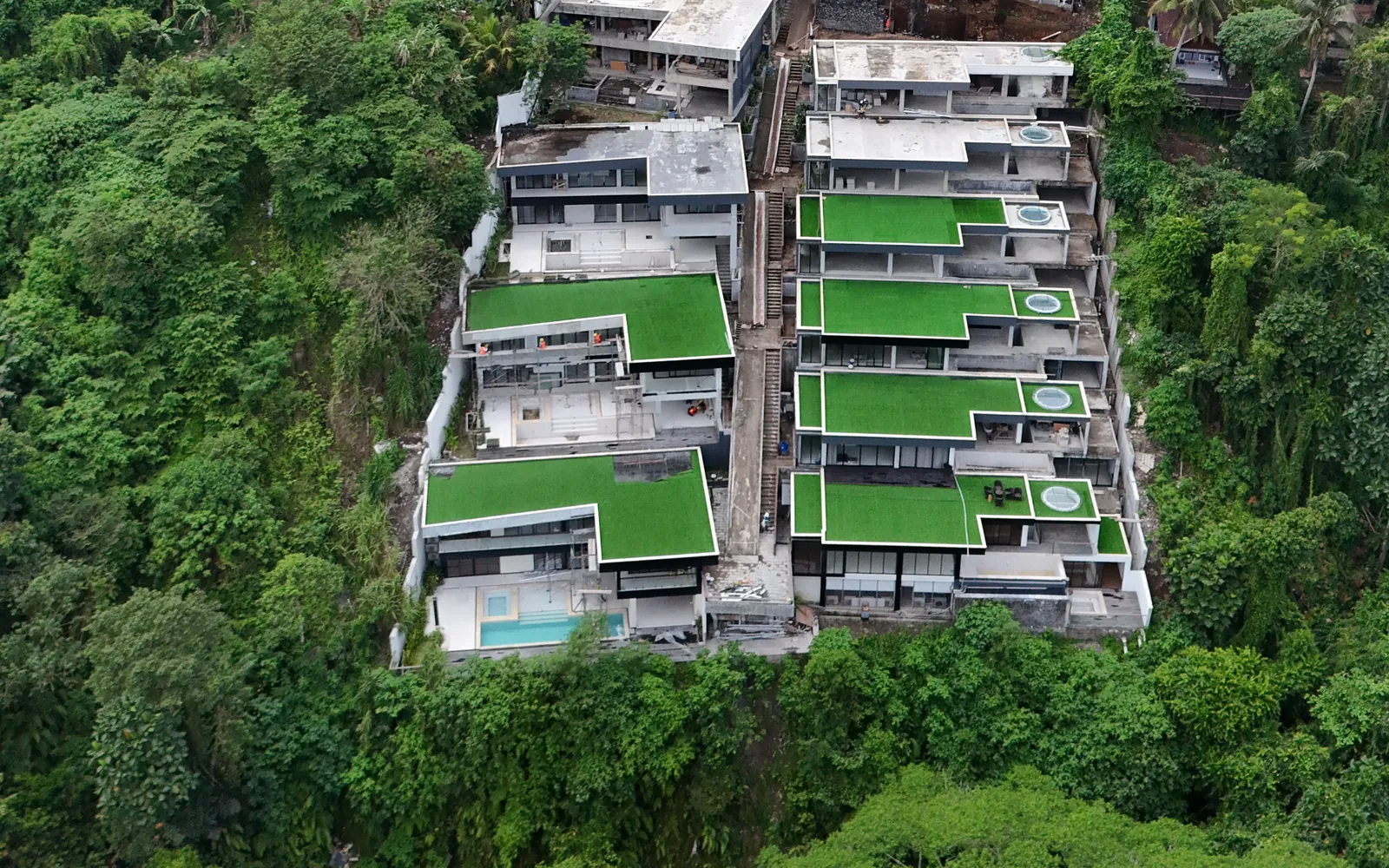
What is a wellness residence?
A wellness residence is a private home — yours to live in, lend or let — inside an estate whose shared facilities are built around health and rest rather than nightlife or golf: a spa, treatment rooms, a restaurant that cooks for the residents, and staff who run it all. The idea is simple: the retreat you would fly to for a week is downstairs, every day.
The term is used loosely. Some projects call a villa with a yoga deck a 'wellness residence'. The useful test is whether the wellness part is an operated service with people, programmes and opening hours, or just a room. If nobody is employed to run it, it is a feature, not a club.
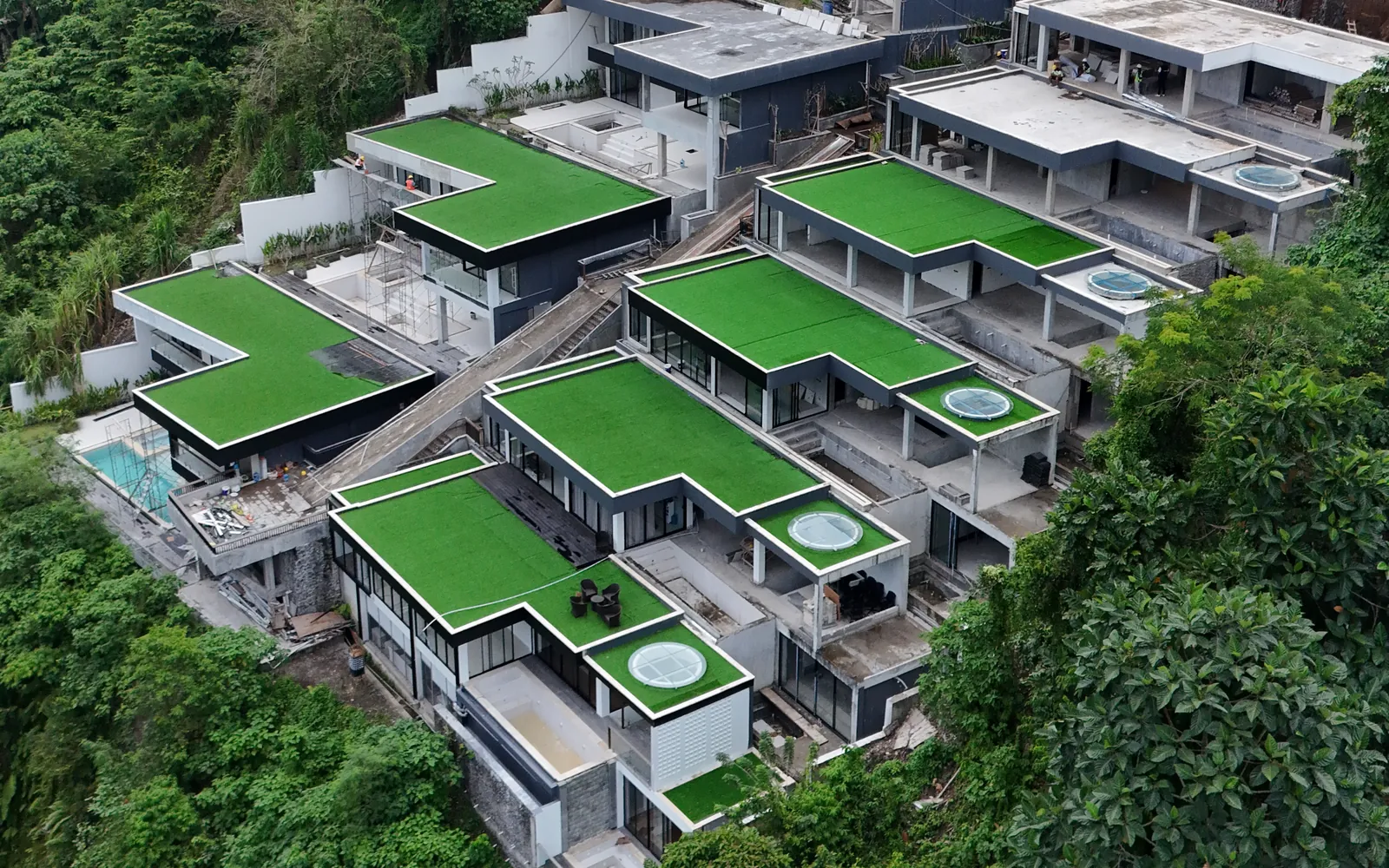
Why Ubud is Bali's wellness centre
Bali's south coast — Canggu, Seminyak, Uluwatu — sells surf, beach clubs and nightlife. Ubud, in the hills of Gianyar, built its reputation on something else: yoga schools, meditation, Balinese healing traditions, galleries and temples. It draws millions of visitors a year who come precisely for that, and many stay longer than a beach weekend.
The landscape matters as much as the culture. The river valleys around Campuhan and Sayan are jungle rather than coastline, which is why some of Bali's best-known retreats sit there: Amandari, Mandapa (a Ritz-Carlton Reserve), Four Seasons Sayan, Capella Ubud and Viceroy Bali. For a residence built around rest, being in that valley is the point.

How can a foreigner own a residence in Bali?
Foreigners cannot hold freehold title (Hak Milik) in Indonesia, so a residence is normally bought as a long-term leasehold: a contract that gives you the right to use, live in, let and transfer the property for a fixed term. It needs no Indonesian company, which is why it is the standard route for buyers who live abroad.
The detail that matters is how many of those years are guaranteed in writing today. At Puri Sidem the lease is 27 years with a guaranteed 25-year extension — 52 years in total — so the full horizon does not depend on a future negotiation with the landowner. Our leasehold guide explains what to check in any contract.
Seven questions to ask any wellness residence project
1. Who runs the club, and is it the same operator that manages the residences? Two operators means two contracts, two sets of standards and two people to call.
2. What exactly is included — restaurant, spa, treatment rooms, lounge — and who is allowed in? A club open to any paying visitor is a hotel spa with residences attached.
3. How many residences share it? The ratio of homes to facilities decides whether you get a quiet club or a queue.
4. Can you see the site? Ask for dated construction photos or videos, not renders, and for the name of the contractor.
5. When does the lease term start — at signing or at handover — and is the extension guaranteed?
6. Is the plot zoned for short-term letting under the regional spatial plan (RTRW), if you might ever let it?
7. Who reviews the contract for you? An independent notary or lawyer, paid by you, before any deposit.
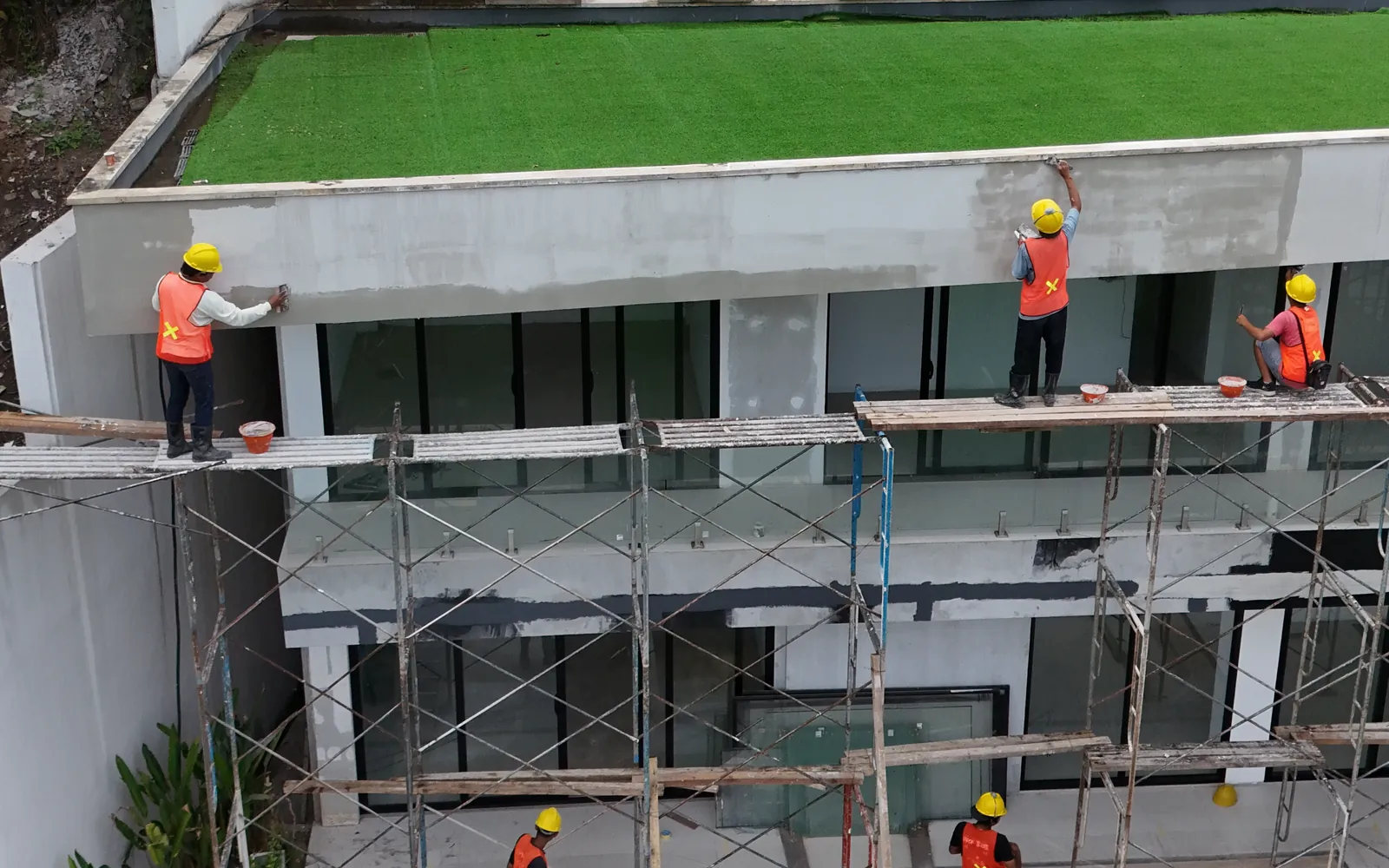
What the Puri Sidem Wellness Club includes
Puri Sidem is a Residences & Wellness Club of 16 residences on Campuhan Ridge, and the club is the centre of it rather than an extra: an intimate restaurant, a lounge, a private spa and an Ayurveda floor with treatment programmes, plus concierge, butler and private driver services.
Access is for owners and their guests; outside visitors only by reservation and in limited numbers. Sixteen residences, sixteen club memberships — there will never be a 17th. The residences themselves are delivered turnkey, each with a private pool and jacuzzi, and BFD's own management company runs both the homes and the club.
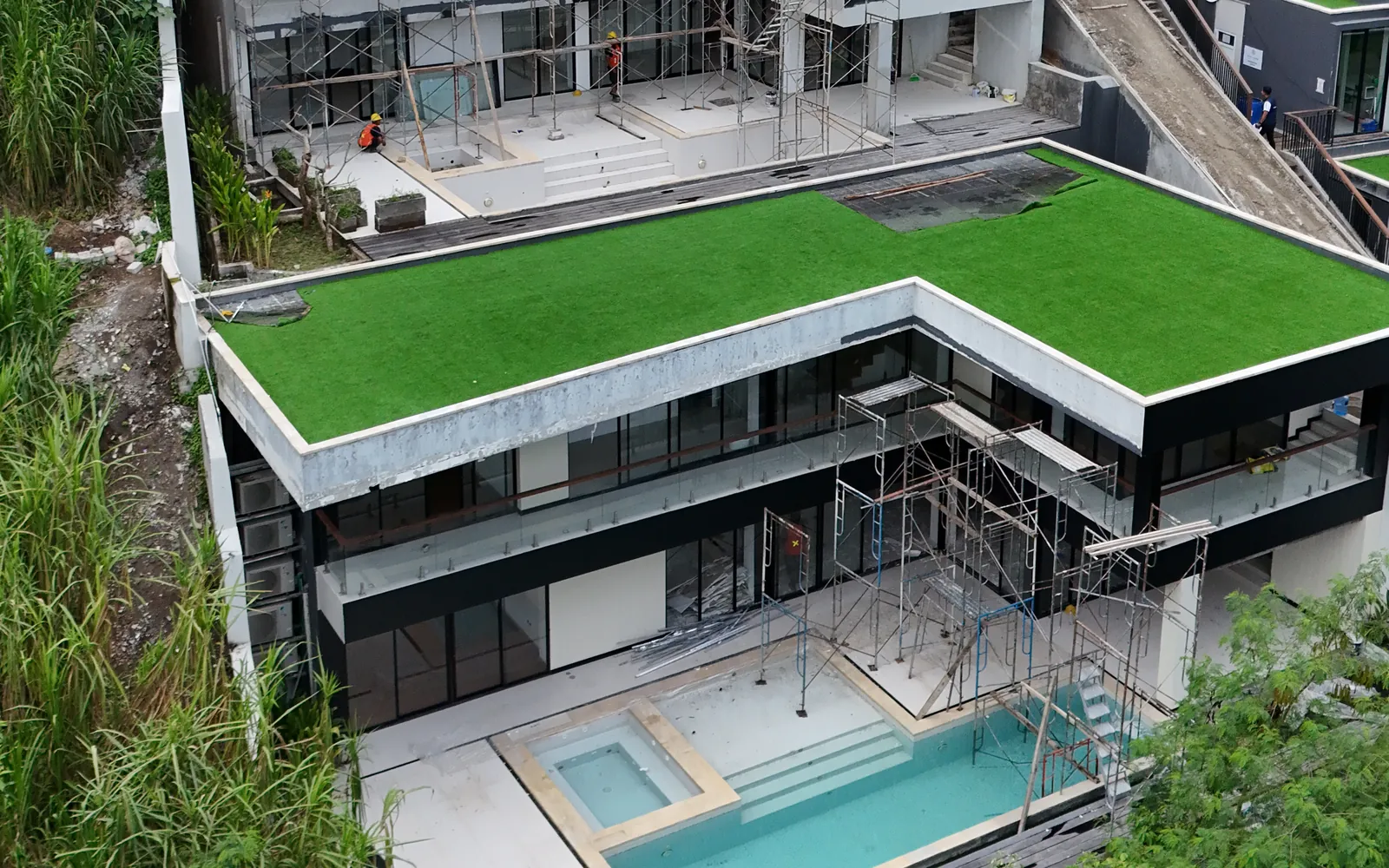
Where does construction stand?
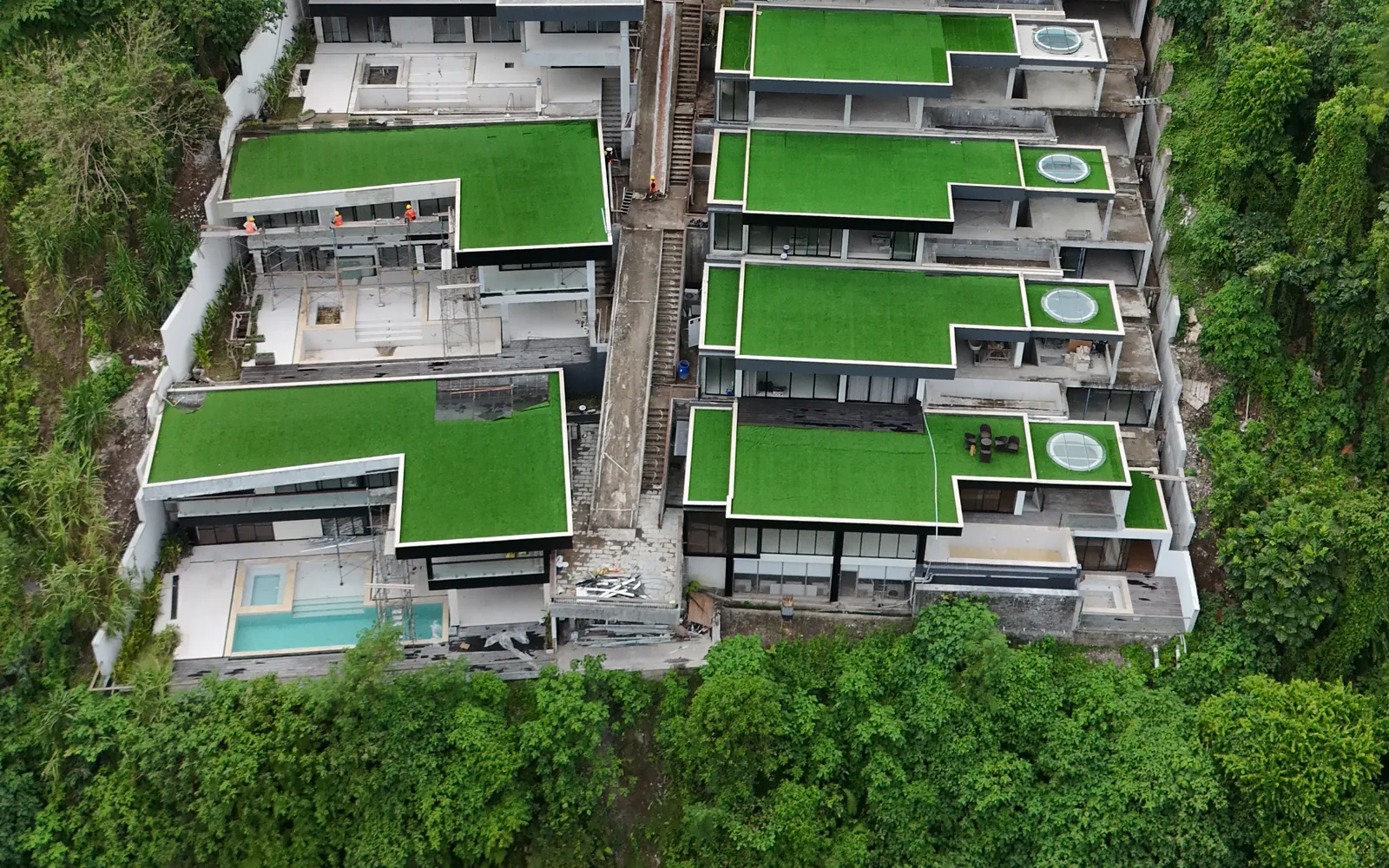
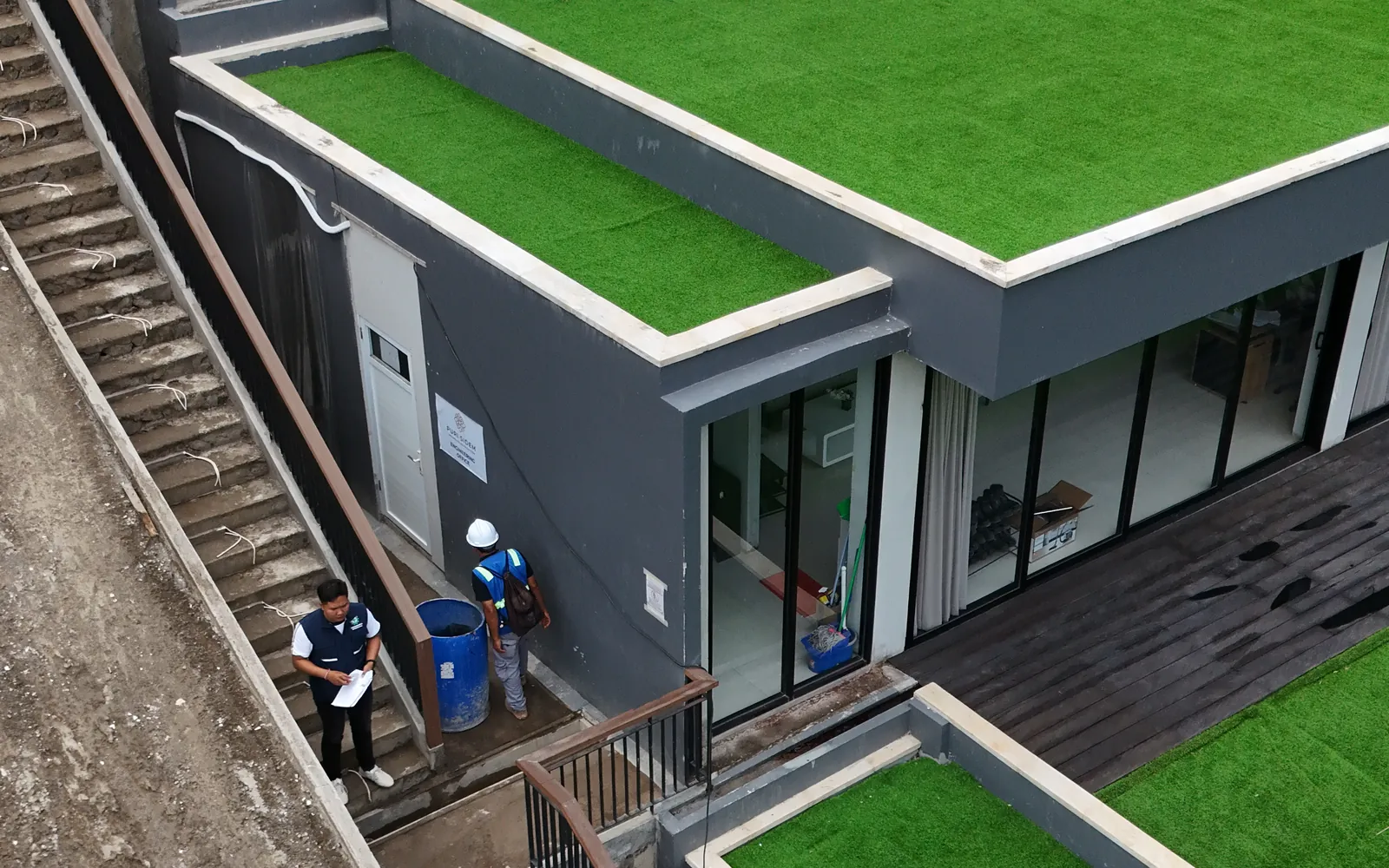
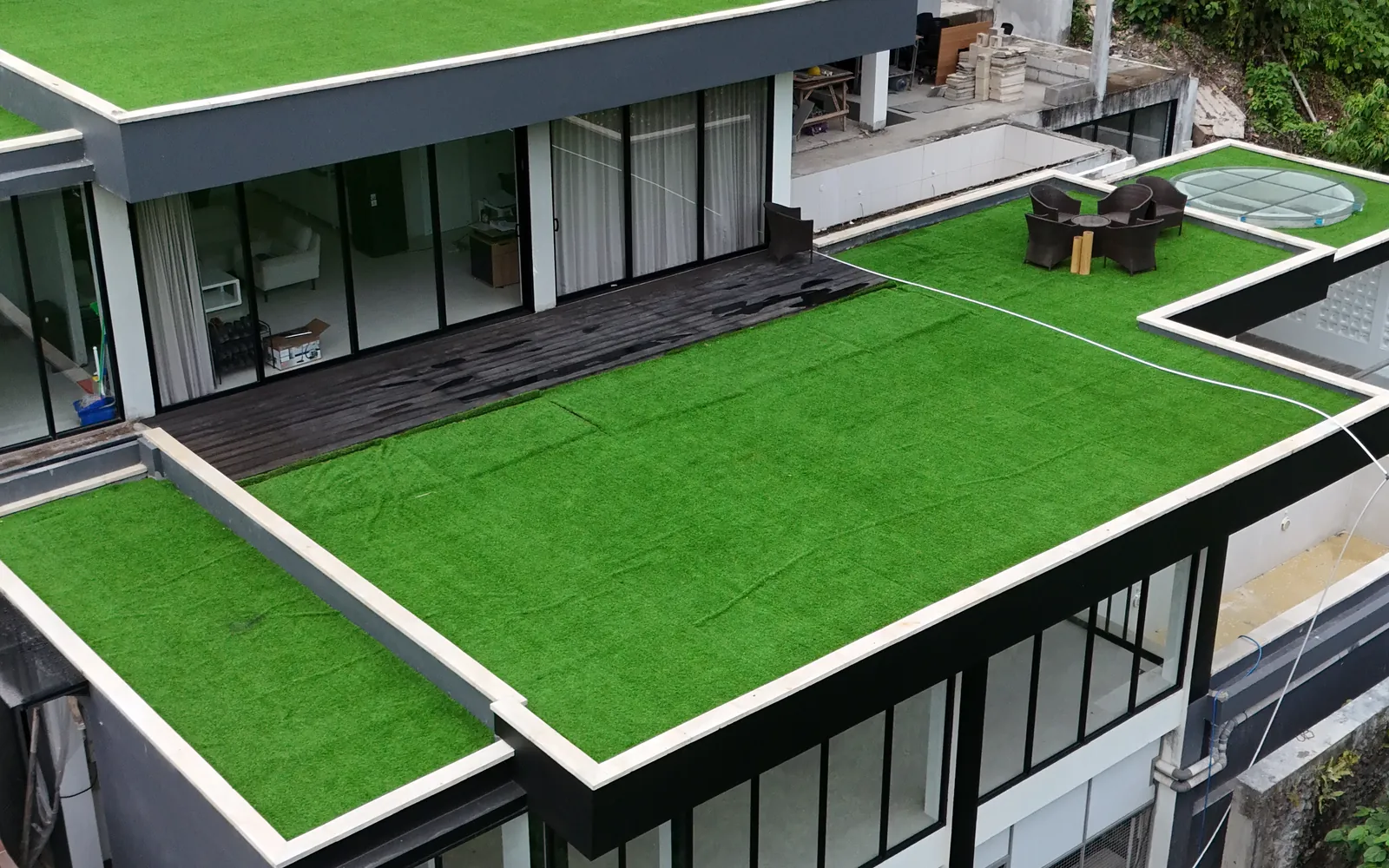
The concrete works are carried out by Tata Mulia, an Indonesian contractor with more than 30 years of activity and over 300 completed projects, under the personal supervision of the founder of BFD, Ilia Siniak. Handover is scheduled for July–September 2027.
The photos in this article were taken on site by drone; their dates are printed under each one. As of September 2026, 10 of the 16 residences were sold. To see the latest footage, the contract structure or how the club will run, book a call or write to us on WhatsApp.
Questions about your own situation?
Tell us what you are weighing up and we will come back with the detail you need: legal structure, timelines and which units are still available.
More guides
Investment Guide
Advertised vs Received: How to Read the Numbers Behind a Bali Villa Listing
A deep dive into the numbers behind Bali villa listings, clarifying advertised vs. received figures, legal lease‑hold nuances, and the questions savvy international investors must ask.
Legal & Ownership
Bali Leasehold Explained: What "Hak Pakai" Really Means for Foreign Investors
Unlock Bali property investment with our deep dive into Hak Pakai vs. secure leasehold. Learn key legal structures, red flags, and how to protect your capital with transparent contracts.
Investment Guide
What Day-to-Day Rental Management Actually Looks Like for a Bali Villa Owner
A deep dive into the day‑to‑day rental management model for Puri Sidem villas, showing how a single operator, built‑in systems and a 27‑year lease with a 25‑year extension protect the owner.