Investment
Due Diligence Checklist Before Transferring Your Deposit
19 August 2026 · 5 min read
Before committing funds to Puri Sidem, follow this structured due‑diligence checklist to validate yields, leasehold terms, and construction guarantees.

Financial Due Diligence: Verify Yield Projections
Request the audited cash‑flow model that underpins the advertised 12% guaranteed net yield for the first three years and the 14‑16% estimated net yield from year four onward. Compare the model’s assumptions on occupancy, operating expenses and management fees with market data for comparable Ubud villas to ensure the net figures are realistic and not overstated.
Confirm the mechanism that guarantees the 12% net yield—whether it is a management contract, a reserve fund, or a performance bond. Ask for the legal instrument that secures this guarantee and verify that it is enforceable under Indonesian law. Cross‑check the projected gross yield against the net yield to understand the cost structure and confirm that the net return aligns with your risk tolerance.
Legal Due Diligence: Understand the Leasehold Structure
Puri Sidem is offered on a 28‑year leasehold (Hak Pakai) with a guaranteed extension of an additional 25 years for 15% of the purchase price, resulting in a total usable term of 53 years. Obtain a certified copy of the lease deed and the extension clause, and have a qualified Indonesian law firm confirm that the extension right is binding and transferable to foreign investors.
Verify that the lease does not contain any restrictions on foreign ownership, sub‑leasing or conversion to a condominium regime. Request a legal opinion on the process for registering the lease with the National Land Agency (BPN) and ensure that the title is free of liens, mortgages or third‑party claims that could affect future resale.
Construction and Handover Assurance
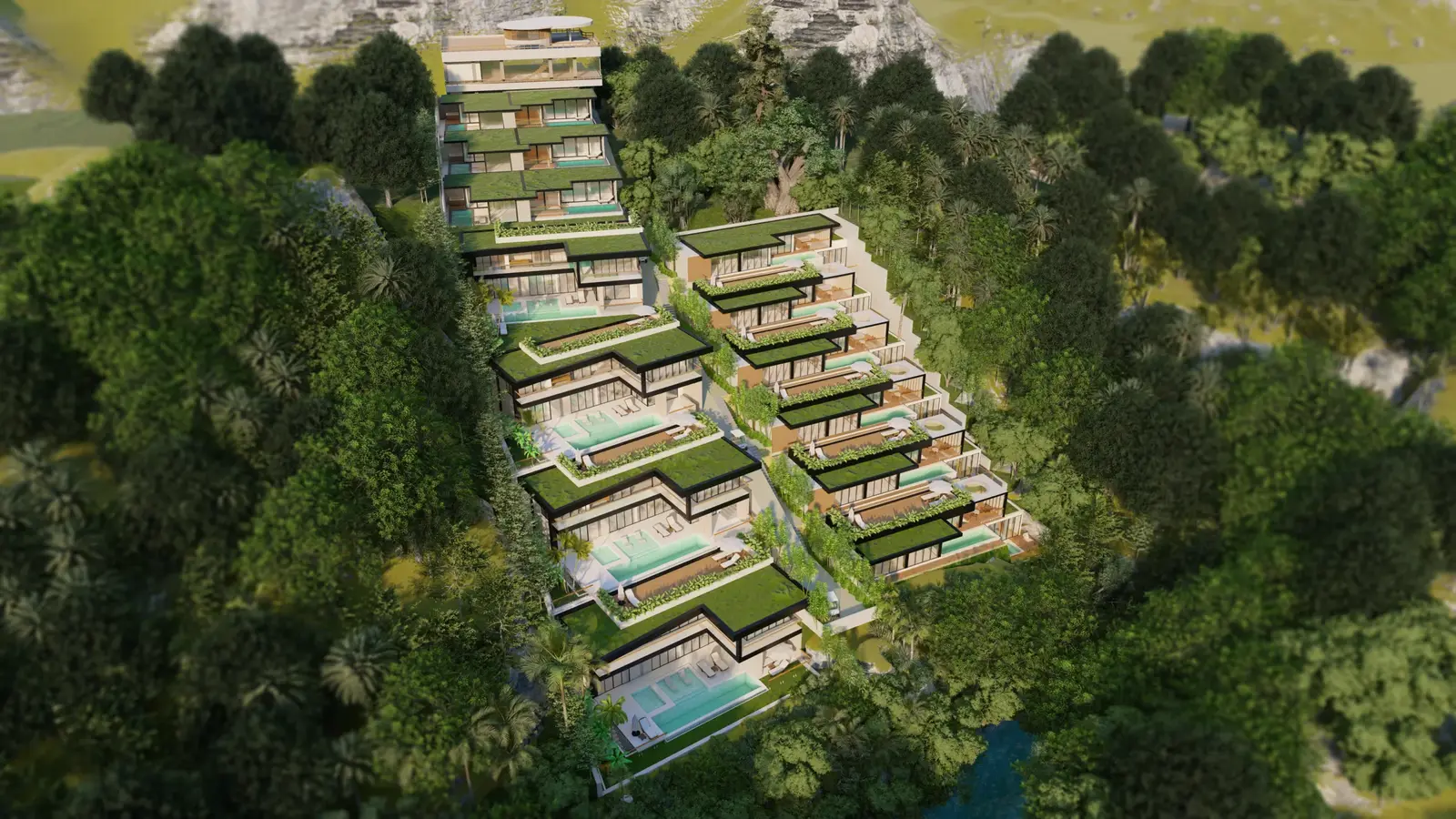
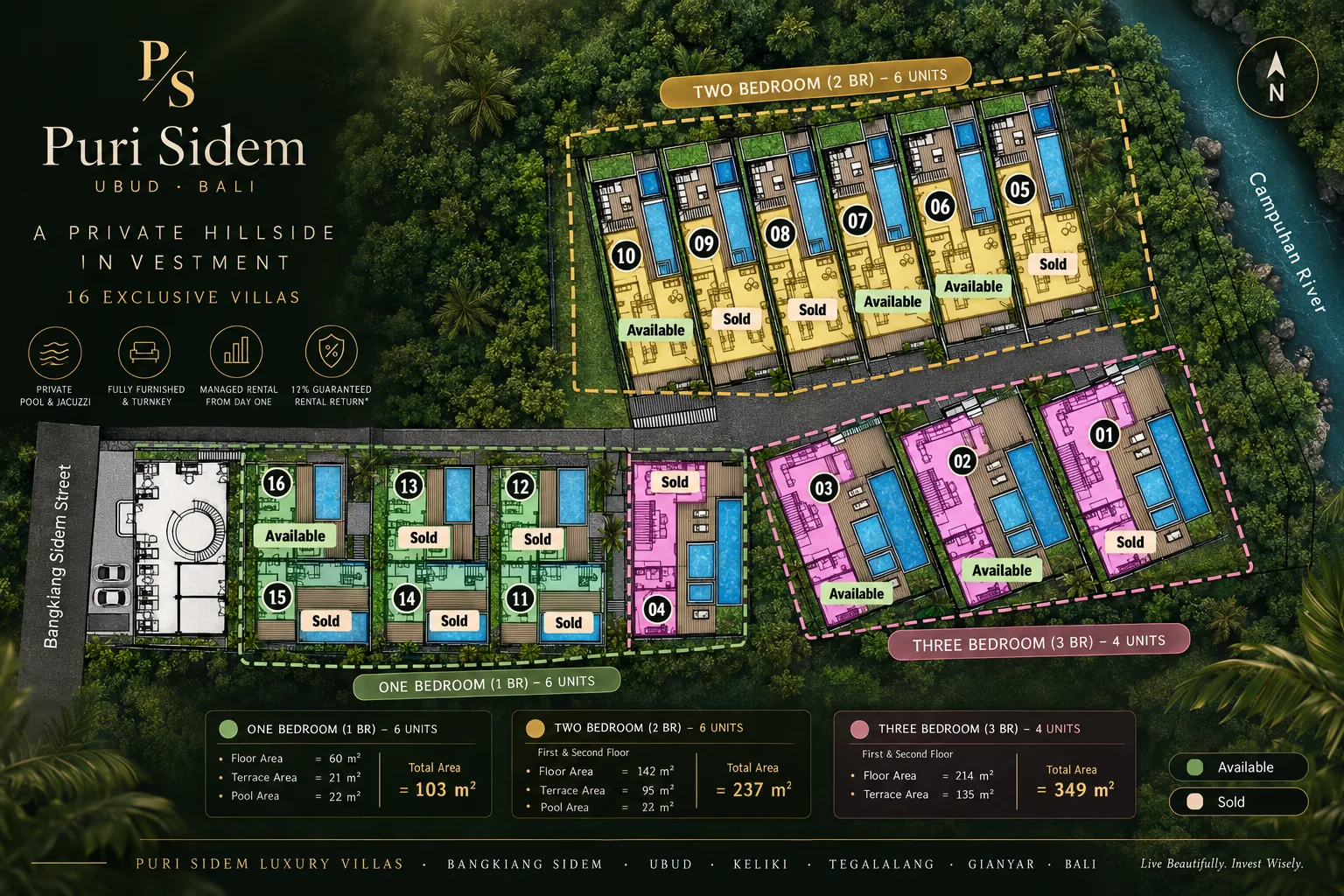
The development comprises 16 villas with 1‑, 2‑ and 3‑bedroom typologies, each featuring a private pool. The handover is scheduled for May 2027. Request the detailed construction schedule from Bali Family Development (BFD) and compare it with the on‑site progress reports. Verify that the builder holds the necessary permits and that the project is covered by a performance guarantee or insurance policy.
Arrange a site visit or review the latest construction video to assess workmanship, material quality and compliance with the approved architectural plans. Insist on a warranty clause that covers structural defects for at least ten years after handover, and confirm the process for addressing any post‑completion issues.
More guides
Investment Guide
Gross Yield vs Net Yield: How to Read Bali Villa ROI Numbers
A property marketed at 20% gross yield typically pays out 10–14% net. Here's why — and how to tell the two apart before you buy.
Legal & Ownership
Bali Leasehold Explained: What "Hak Pakai" Really Means for Foreign Investors
You can't own land in Bali as a foreigner — but you can secure decades of legal use. The structure of that agreement is what determines whether it's actually safe.

Location Guide
Ubud vs Canggu vs Seminyak: Where Should You Invest in Bali Property?
Canggu gets the Instagram feed. Seminyak gets the price tag. Ubud gets a different kind of guest entirely — and that changes the investment case.